One factory-built module establishes the first phase.
Deployments / Data Centres
Generation that arrives
with the racks.
Modular on-site heat and hydrogen energy for data centre developers, with site-configured conversion to electricity and electrical output pending validation.
The constraint
Don't let power be your only constraint.
Data centre development is limited by electricity. Sites are selected, capital is committed, and projects then wait on grid interconnection that can take years to deliver. Capacity that exists on paper is not capacity that exists on a schedule.
On-site use can avoid long interconnection queues; grid-parallel or export configurations may require utility approval. A 2MW reactor module is factory-built, with a typical timeline of 12–24 months depending on site, configuration and approvals.
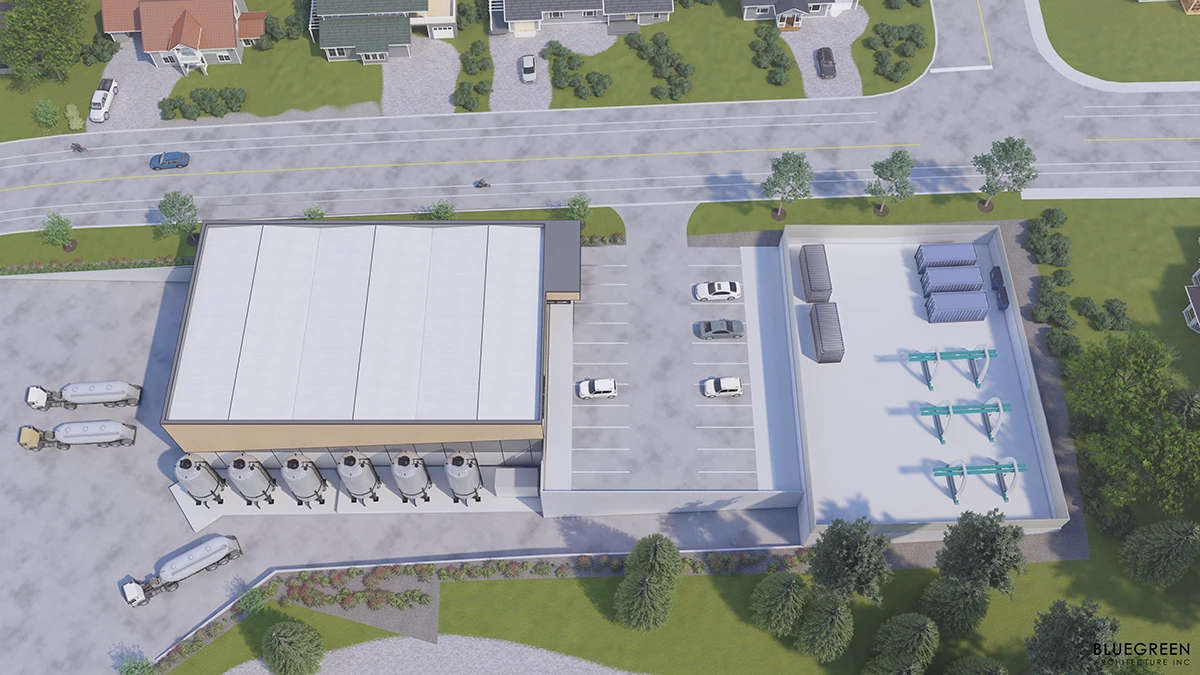
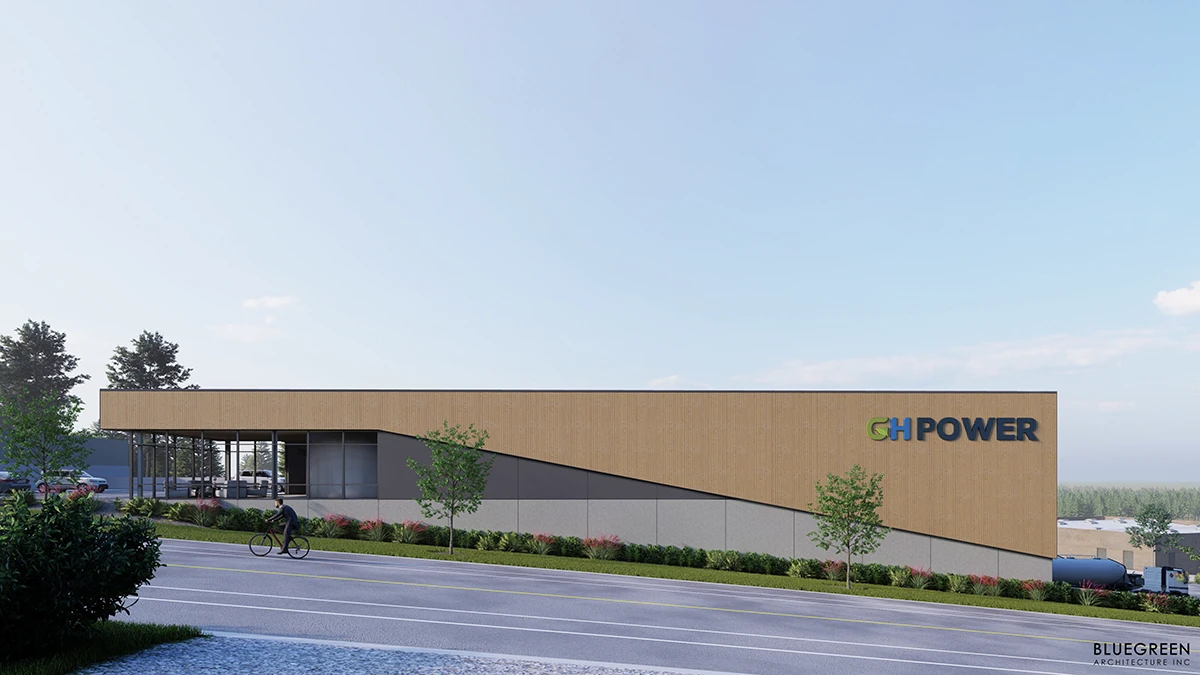
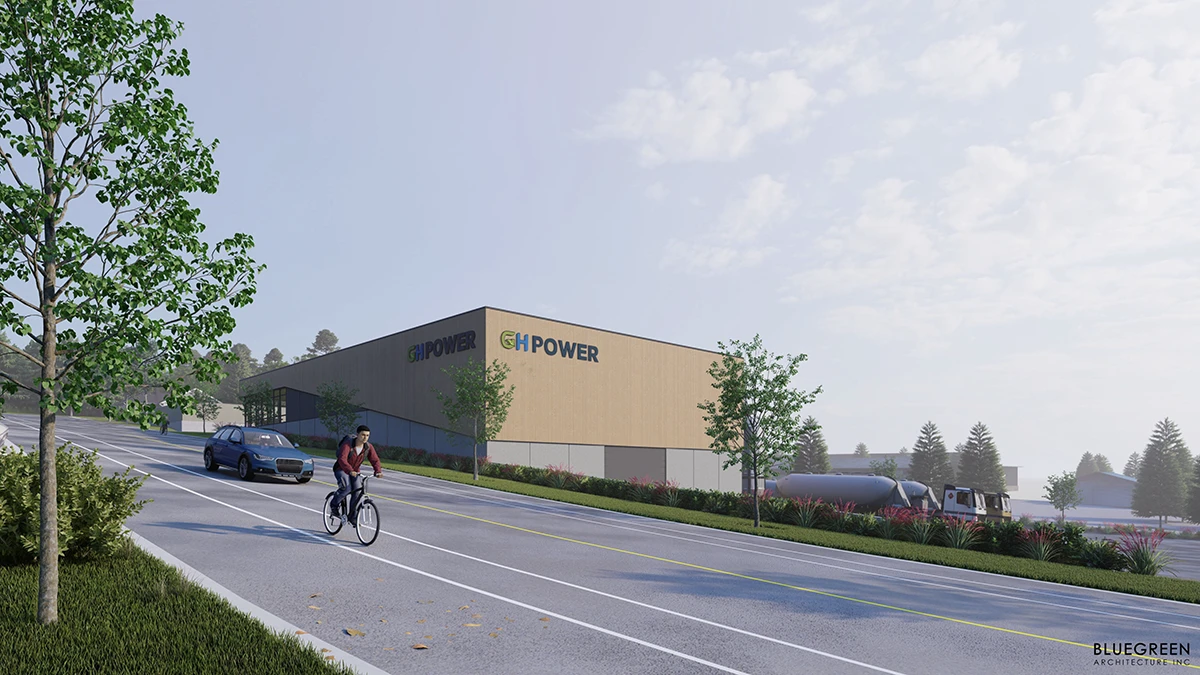
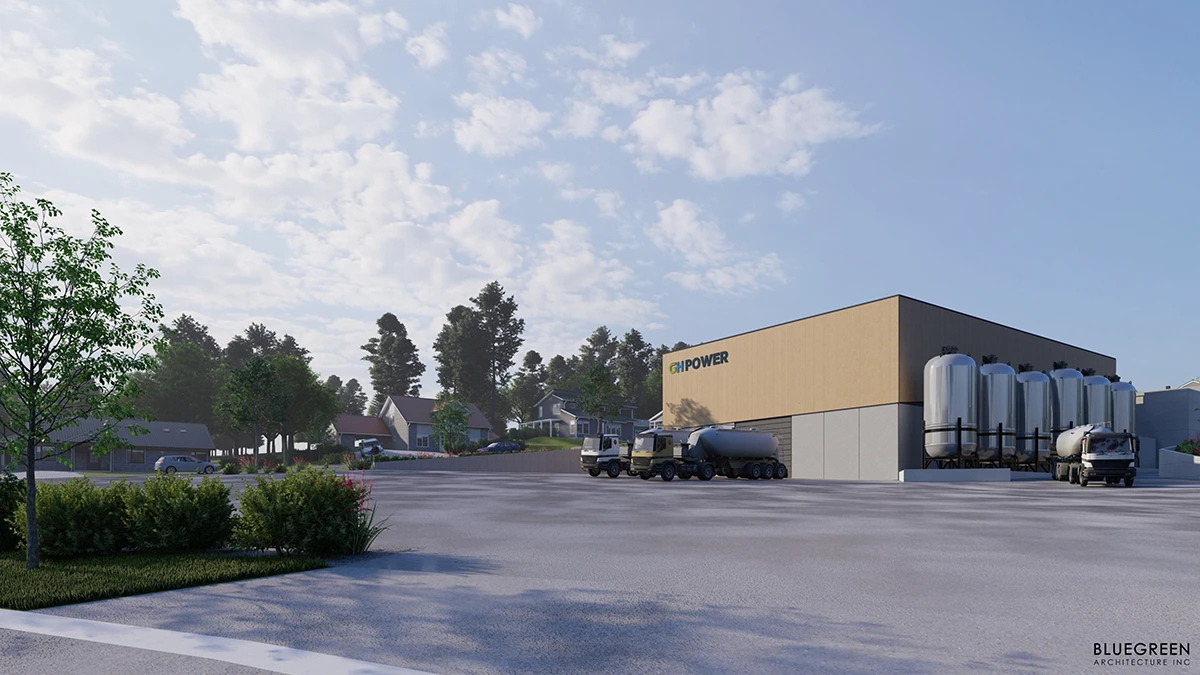
Modular by phase
2MW at a time.
Data centres are built in phases. Reactor modules may follow demand in increments of 1 MW heat and 1 MW hydrogen energy, with electrical conversion subject to validation and site configuration.
Capacity is added as the building and rack load grow.
Faster growth adds modules instead of redesigning the supply.
On-site roles
Two ways into the power strategy.
Backup and resilience
Data centres already carry diesel generators for backup. Reactor heat and hydrogen energy can be configured for on-site power conversion; electrical output and site requirements remain pending validation.
Primary or supplementary generation
Behind-the-meter use may reduce grid draw, subject to site configuration and electrical conversion performance. Grid-parallel or export configurations may require utility approval.
Clean energy requirements
Low-carbon energy, configured on site.
Data centre projects face two related pressures: corporate clean-energy commitments that require verifiable low-carbon supply, and local concern about what a large new load does to the regional grid.
No combustion in the reactor and near-zero direct carbon emissions from the aluminum-water reaction. Lifecycle and auxiliary emissions depend on site configuration and supply.
A project that brings its own energy system is a materially different application than one that does not.
What the site does not use
Potential surplus pathways.
Site-specific modeling determines whether energy remains after on-site use and how it may be handled.
Potential grid export.
Any surplus electrical output depends on conversion performance and site demand. Export requires an interconnection agreement and applicable utility approvals.
Potential industrial use.
The reaction produces hydrogen that may support on-site needs or industrial applications, subject to specification, qualification and commercial agreement.