Food and beverage processing
Continuous steam for cooking, cleaning, pasteurization, and sterilization alongside a steady electrical base load.
Deployments / Industrial Co-Location
On-site generation for industrial facilities, where the materials produced alongside the energy offset the cost of producing it.
Commercial structure
BYOE is a proposed model for on-site energy supply rather than relying exclusively on a utility. The generation sits behind the meter, sized to the site, and the facility's energy cost becomes a function of its own equipment rather than of rates, demand charges, and transmission costs set elsewhere.
Behind-the-meter generation is not new. The reactor produces heat and hydrogen energy; on-site electricity requires a fuel cell or generator, with electrical output pending validation.
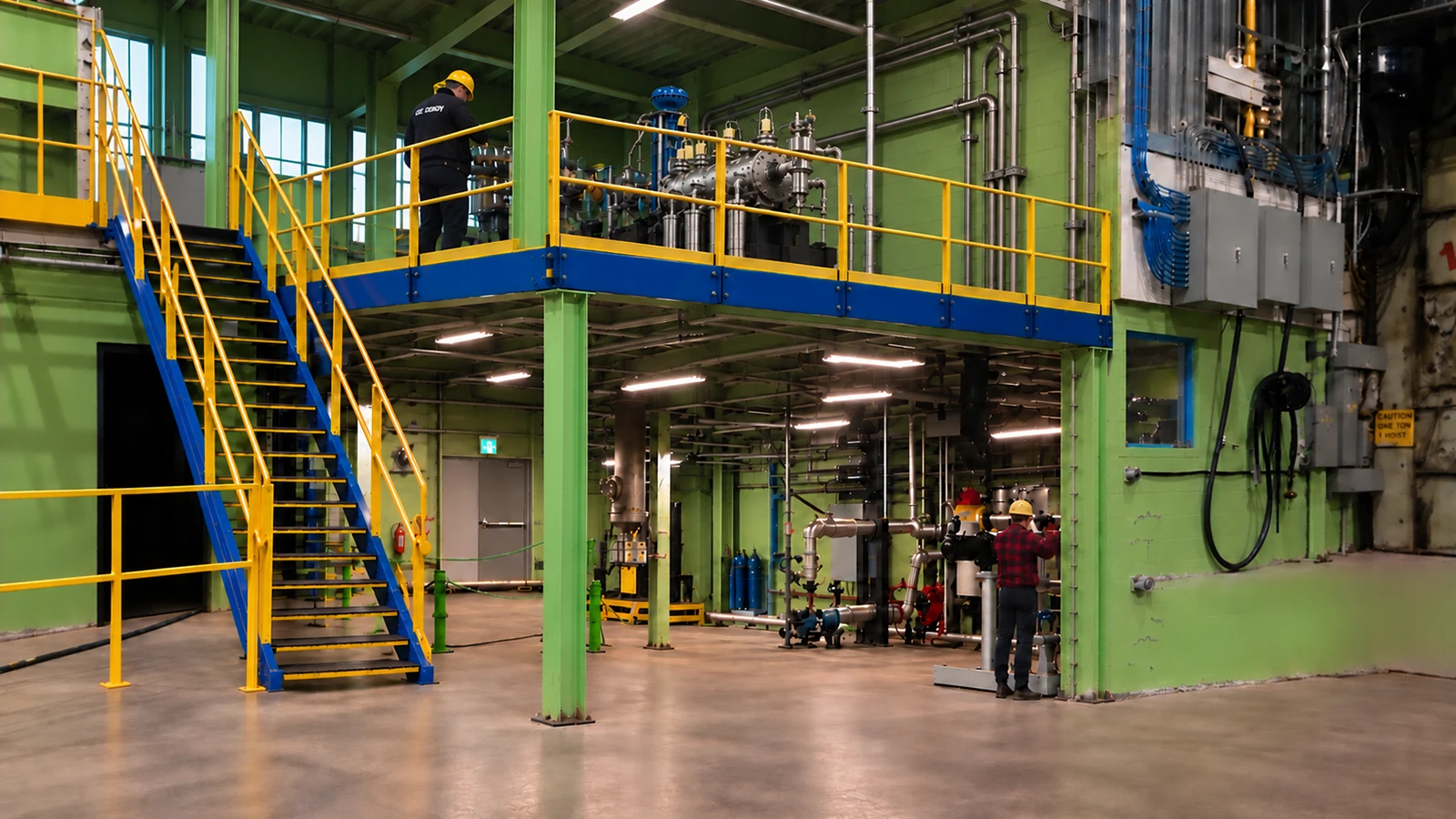
Where 2MW fits
The reactor suits sites with steady demand, and suits them best when they need heat as well as power. Using thermal output directly avoids the losses that come with converting heat to electricity. 2MW is an increment, not a ceiling.
Continuous steam for cooking, cleaning, pasteurization, and sterilization alongside a steady electrical base load.
Year-round heat demand with lighting and climate control on top. Heat-dominant facilities capture the reactor's primary output directly.
Hospitals and universities already run central steam or hot-water loops. The distribution system exists; only the source changes.
Continuous process heat and electrical load, often with industrial land, space for a module, and existing heavy-service connections.
The economics
The Aluminum-Water Reactor produces alumina alongside energy. Our co-location model is designed to let partners share in potential alumina value, which may offset installation cost and lower long-run energy cost. This is a modeled scenario, not a purchase commitment or savings forecast.
Any site-specific model must state its assumptions for load, operating hours, energy rates, alumina value, and final commercial terms. Results depend on qualification, offtake arrangements and actual operating performance.
Illustrative scenario only. No savings forecast or alumina purchase agreement is represented.
Physical requirements
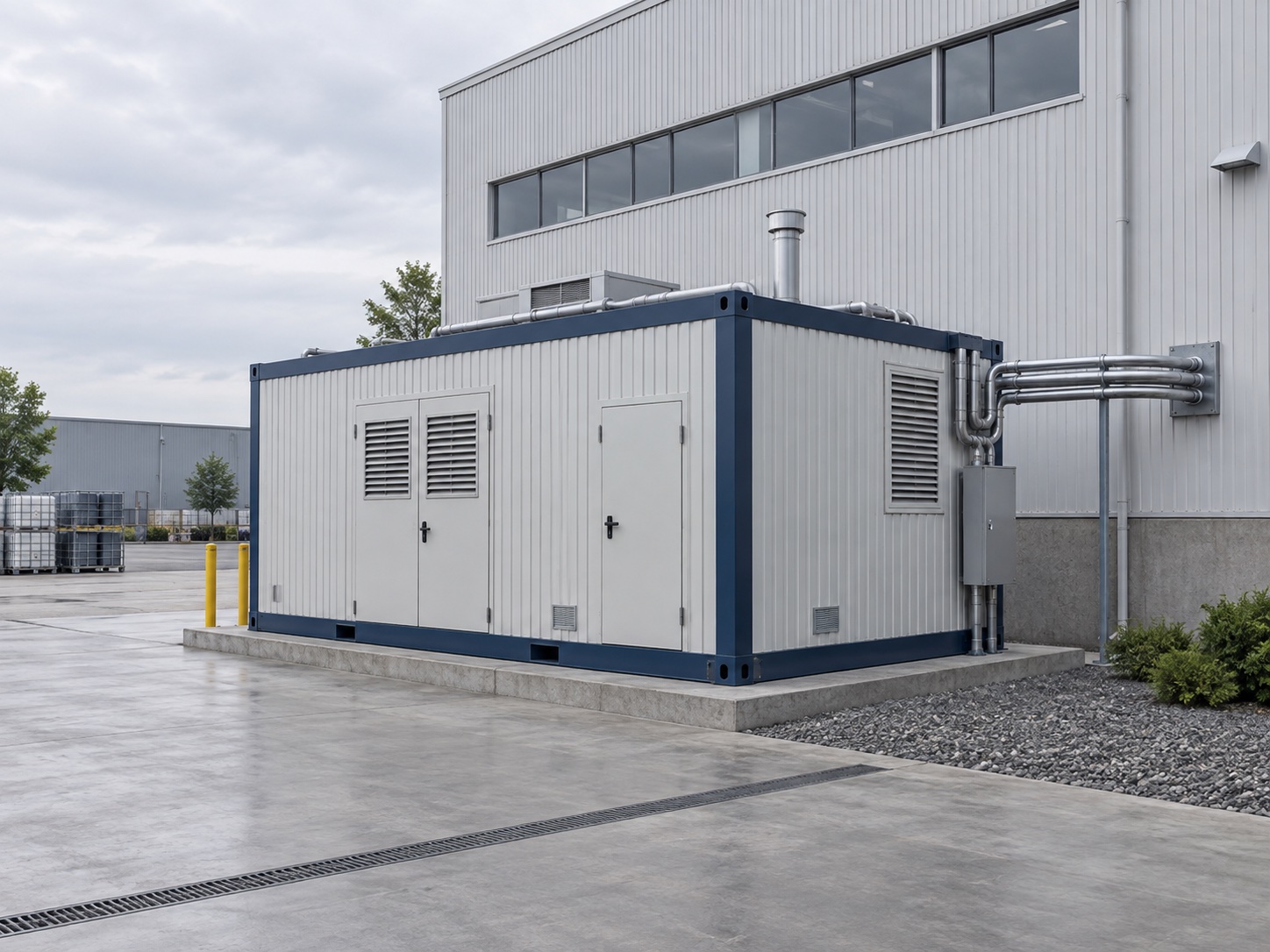
Already on industrial land
GH Power's reactor has operated on its leased industrial site in Hamilton. The facility is one part of Steelport, an 800-acre industrial redevelopment on former steelmaking lands.
Reactor testing and product sampling are underway as GH Power builds toward full commercial production.
See the Hamilton plant