Water
Process input
Core Technology
A controlled reaction between recycled aluminum and water produces heat, hydrogen, and alumina in a single process. Factory-built in standard modules; typical commissioning takes 12–24 months depending on site, configuration and approvals.
How it works
Process input
Graded metal feedstock
A controlled exothermic chemical process.
Heat recovered for direct use or conversion.
Gas produced alongside the thermal output.
Solid material recovered for polishing.
The reactor runs on recycled and scrap aluminum, graded to specification. Aluminum is abundant, stable at ambient conditions, and supported by mature recycling and logistics networks.
Inside the reactor barrel, aluminum reacts with water under controlled temperature and pressure. Nothing burns. Output is governed to follow site demand.
A single reaction yields three streams: thermal energy, hydrogen gas, and alumina trihydrate. They are products of one chemical process, captured in parallel.
Each module provides 1 MW of heat and 1 MW of hydrogen energy, convertible to on-site electricity through fuel cells or generators. Hydrogen may also be captured for delivery under offtake.
Alumina trihydrate is captured in solid form rather than vented or landfilled. It leaves the reactor as feedstock for the polishing line.
Core technology
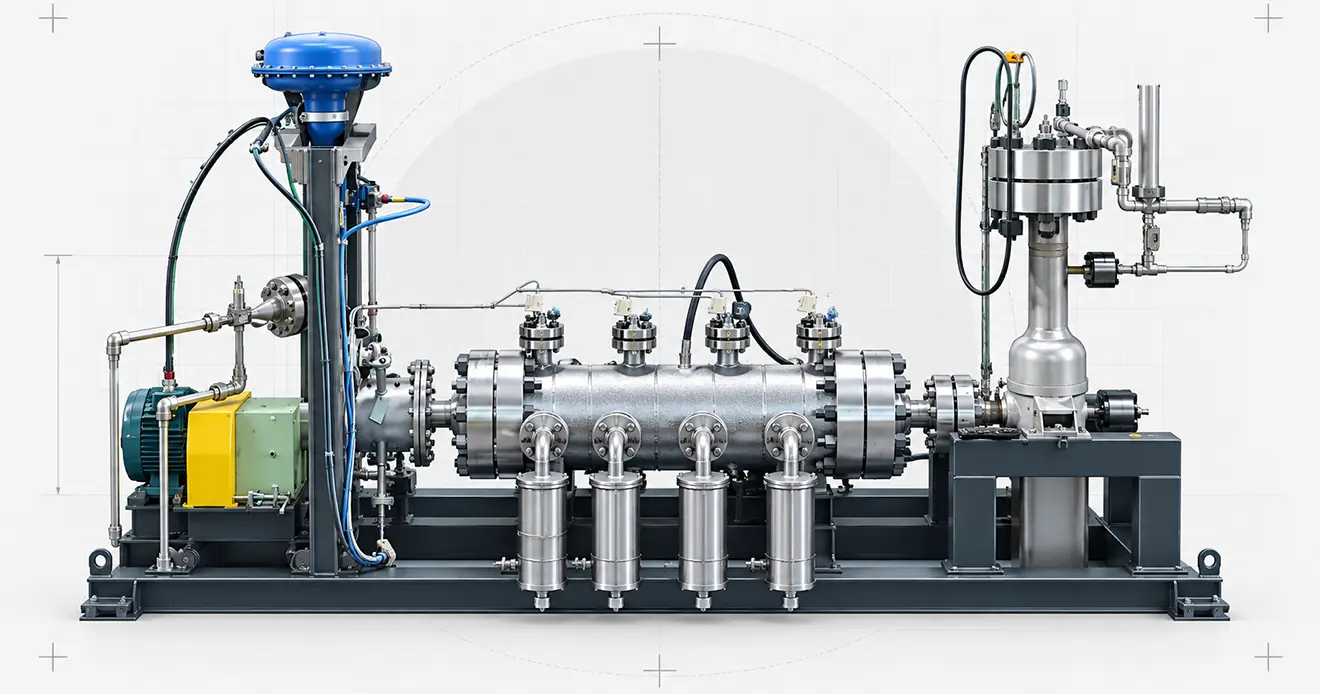
The core reaction vessel, and the unit on which all capacity scaling is based.
Controls the reaction rate so system output can follow the site's load.
Captures reaction heat for steam or conversion to on-site electricity through fuel cells or generators. Electrical output remains pending validation.
Captures the alumina stream for upgrading. Engineered to target specification. Samples available for customer qualification.
Patent details pending final disclosure review.
System overview
One barrel is one 2MW reactor module, factory-built and containerized to a standard footprint. Capacity is added by adding modules rather than engineering to a fixed site load. Start at the capacity required today and add units as demand proves out. A complete installation pairs reactor modules with feedstock storage, hydrogen handling, and alumina collection.
Complete installation systems
Graded recycled aluminum
Purpose-designed containment
Recovered solid material
Specifications
| Energy output per module | 2 MW: 1 MW thermal + 1 MW hydrogen* |
|---|---|
| Dimensions (L × W × H) | 20 × 8 × 8.5 ft (20-ft ISO container, 160 sq ft)* |
| Electrical output* | Pending validation |
| Thermal output per module | 1 MW* |
| Hydrogen output per module | 1 MW (~260 MT/yr, ~720 kg/day)† |
| ATH output | ~6,800 MT/yr† |
| Alumina grade | 2N–4N, after upgrading* |
| Feedstock consumption | 3,000 MT/yr* |
| Water consumption | ~4,700 MT/yr (~13 m³/day)† |
| Emissions | Near-zero (direct, reaction)* |
| Noise* | Pending validation |
| Electrical configuration | Site-configured |
| Time to commission | 12–24 months |
* Estimates pending validation at the Hamilton facility. Emissions exclude lifecycle and auxiliary emissions.
† Annualized quantities are modeled estimates pending validation.
Safety and licensing
The Aluminum-Water Reactor contains no fissile material and no radiological inventory. It is not subject to nuclear licensing. The name describes a controlled chemical reaction.
Built by a team with decades of nuclear-sector engineering experience. This does not imply nuclear-system certification.
Hydrogen is produced, stored, and handled in purpose-designed containment systems. Applicable codes remain subject to final disclosure review.
Deployment requires pressure vessel certification, electrical inspection, and hydrogen storage permitting. No nuclear licensing pathway applies.
The second product line
The aluminum-water reaction produces alumina trihydrate. GH Power's proprietary polishing line is engineered to target alumina oxide specifications for high-technology manufacturing. Samples are available for customer qualification.
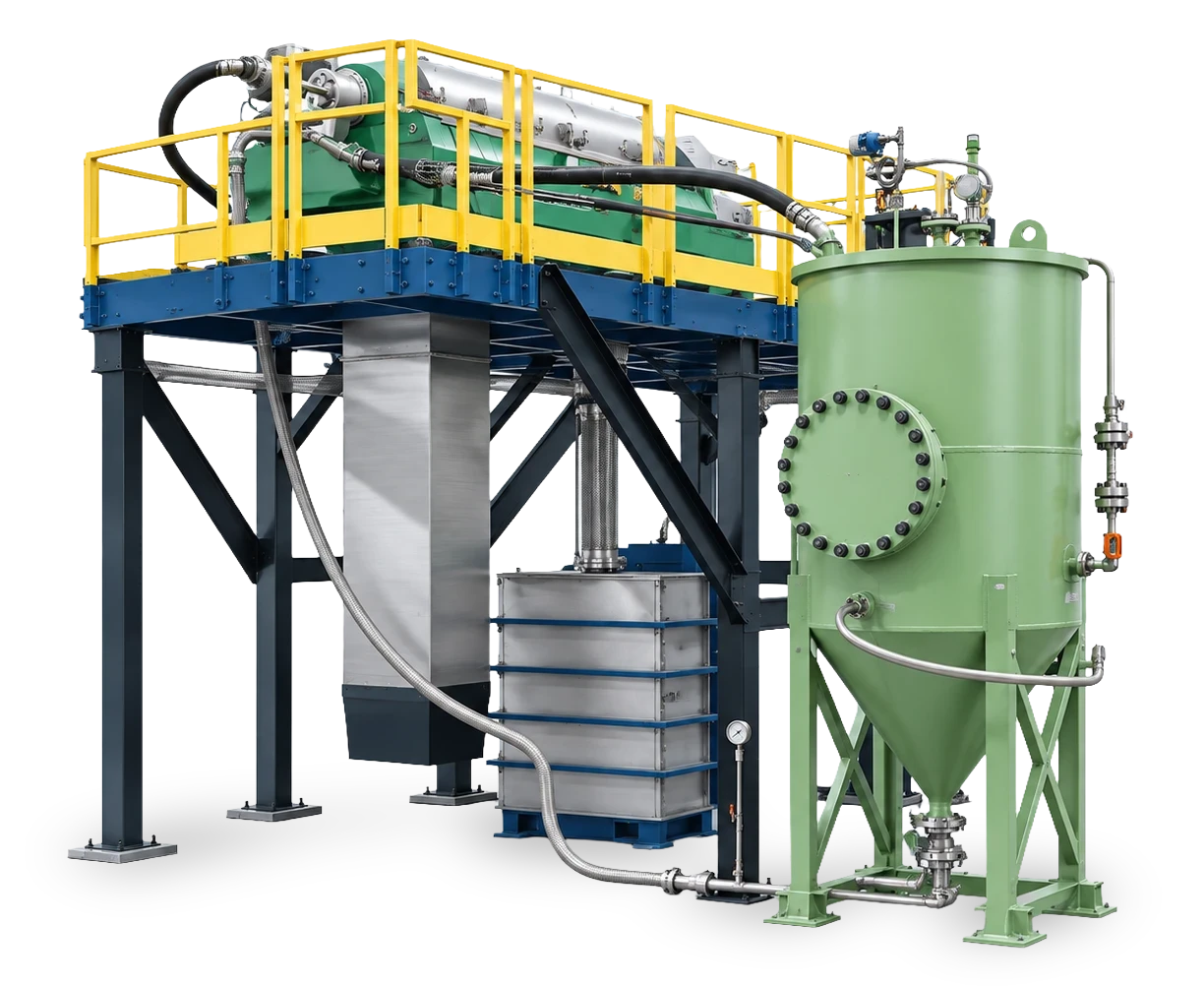
Alumina trihydrate captured from the reactor stream.
Impurities removed to target specification.
Conversion to alumina oxide.
Particle size and morphology controlled to customer specification.